During this week, I was able to further solidify my understanding of what digital humanities are. We had spoken about different definitions in the past, but we hadn’t worked firsthand with any projects, so the term was still a bit ambiguous to me. Now that we have explored certain projects in a deeper way, I can wrap my head around the concept digital humanities.
Meriam Posner’s sources, processed, presented method is useful for me when I navigated the various DH projects we explored this week. While it is not an exhaustive method, it does help me get started with analyzing each project. What was especially interesting to me were the DH projects that required the processing of very old manuscripts and letters. Being able to see the original handwriting of certain important people throughout history and also having the readable text side-by-side is very useful to me as a reader, and also reinforces the human side of the digital processes.
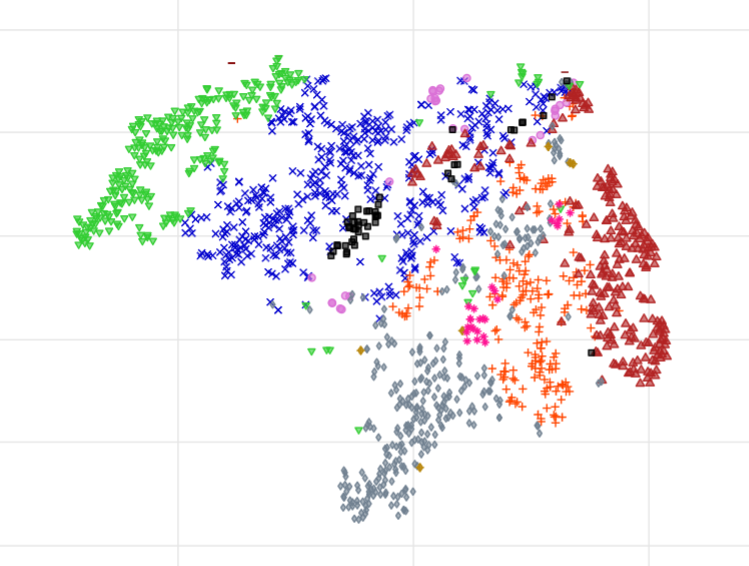
The most interesting website we have visited, in my opinion, is “Readers Mapped”. I am a frequent user of Goodreads, I was very curious to see the data visualized from a website I use often. I could definitely relate to the concept of staying near related genres, especially in reading literature and listening to music. For example, I am a classical musician, and some of my favorite pieces of music are (naturally) classical. I frequently listen to composers like Mozart, Bach, Ravel, Mahler, and Scriabin. You could expect a music listener like me to also listen to jazz, since many jazz musicians were heavily inspired by the great classical composers (Bill Evans was specifically heavily inspired by Ravel). On the other hand, a music listener like myself would be much less likely to listen to modern pop music (Taylor Swift, Sombr, Sabrina Carpenter, Noah Kahan, etc.). This phenomenon is paralleled in the graph on the website “Readers Mapped.” People who are avid romance readers read very little literary fiction, but there is some overlap between the romance readers and the fantasy readers. (This is expected, especially with the huge popularity of the subgenre “romantasy.”)
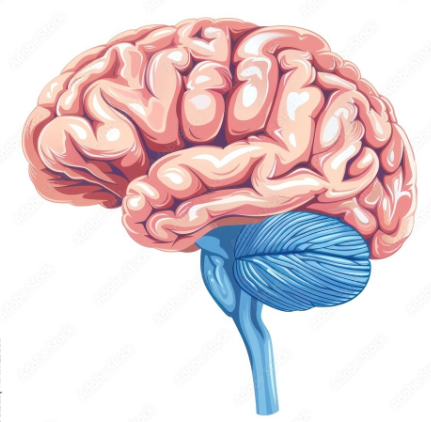
As for one last thing I found interesting, the graph on “Readers Mapped” looks eerily similar to the human brain (see below).